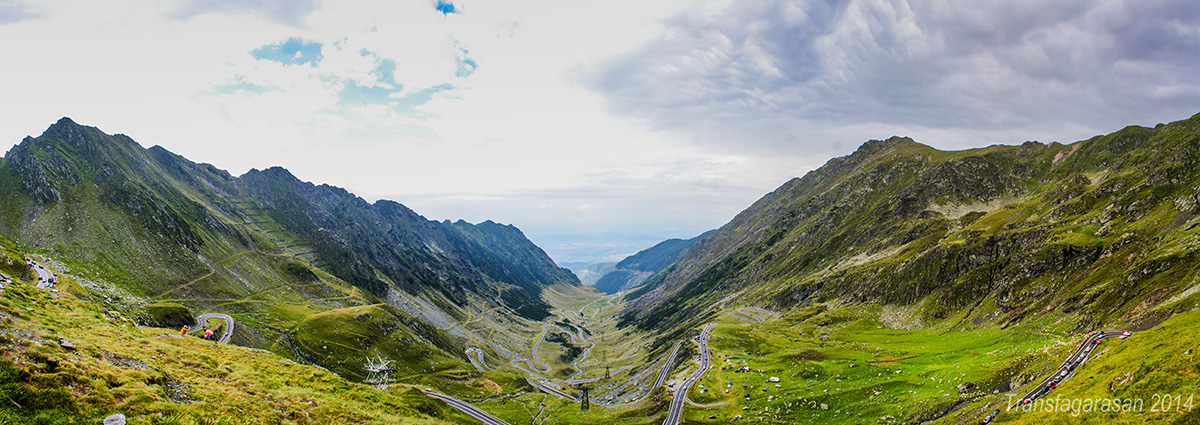
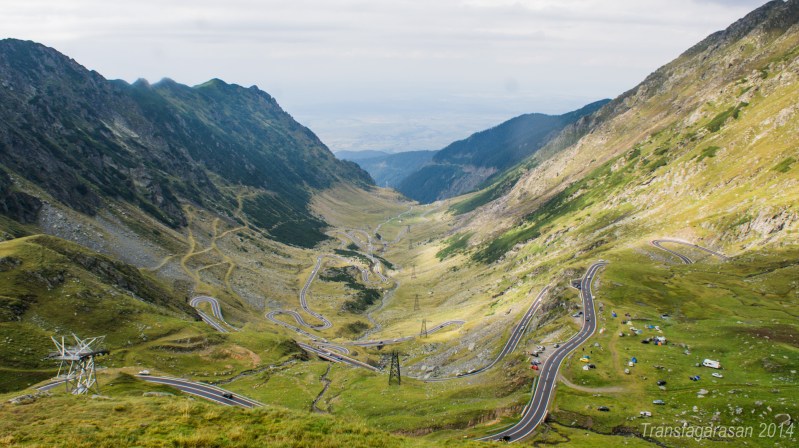
The Transfagarasan (trans (over, across) + Fagaras – name of the mountains which are crossing) or DN7C is the second-highest paved road in Romania after Transalpina. Transfagarasan crosses Fagaras mountains from south (near the village of Bascov, located close to the city of Pitesti) to north (it ends close to village Cartisoara).
Cartisoara (also Cârța Românească; German: Oberkerz; Hungarian: Kercisóra) is a commune in Sibiu County, Transylvania, Romania. It is composed of a single village, Cârțișoara. Bâlea Lake is located on the territory of Cârțișoara.
A famous native from Cartisoara is Badea Cârțan, a sheppard known in Romania for a epic journey he took to Vienna, to ask Emperor-King Franz Joseph for Transylvania’s self-determination. Read more here. In Cartisoara you can find house of Badea Cârțan (name of this Romanian native was Cârțan, „Badea” is a form of address).
Also, very close by you can find village Cârța, where are located the ruins of the most eastern monastery from Cistercian Order, a Catholic and also Anglican religious order of monks and nuns. They are variously called the Bernardines, after the highly influential St. Bernard of Clairvaux (though the term is also used of the Franciscan Order in Poland and Lithuania), or the White Monks, in reference to the colour of the „cuccula” or white choir robe worn by the Cistercians over their habits – as opposed to the black cucculas worn by the Benedictine monks. The monastery’s name is Cârța Monastery.

You may also know „Transfagarasan” from TV entertainment show Top Gear. Episode 1 from series 14 was filmed here.
The Transfăgărășan was constructed between 1970 and 1974, during the rule of Nicolae Ceaușescu. It was built as a response to the 1968 invasion of Czechoslovakia by the Soviet Union. Ceaușescu wanted to ensure quick military access across the mountains in case the Soviets attempted a similar move to a previous one during 1921. At that time, Romania already had several strategic mountain passes through the Southern Carpathians, mainly inherited from the pre-communist era (Şoseaua Câmpina-Predeal and the high-pass DN67C) or built during the initial years of the Communist regime (DN66 Bumbeşti Jiu-Petroşani). These passes, however, were mainly through river valleys, and therefore easy to block and attack in event of a military invasion. Therefore, Ceauşescu ordered the construction of a road across the Făgăraş Mountains.
The most beautiful scenery – the most famous part, the switchbacks – are on the north side, on last km before reaching the pass – Balea lake.
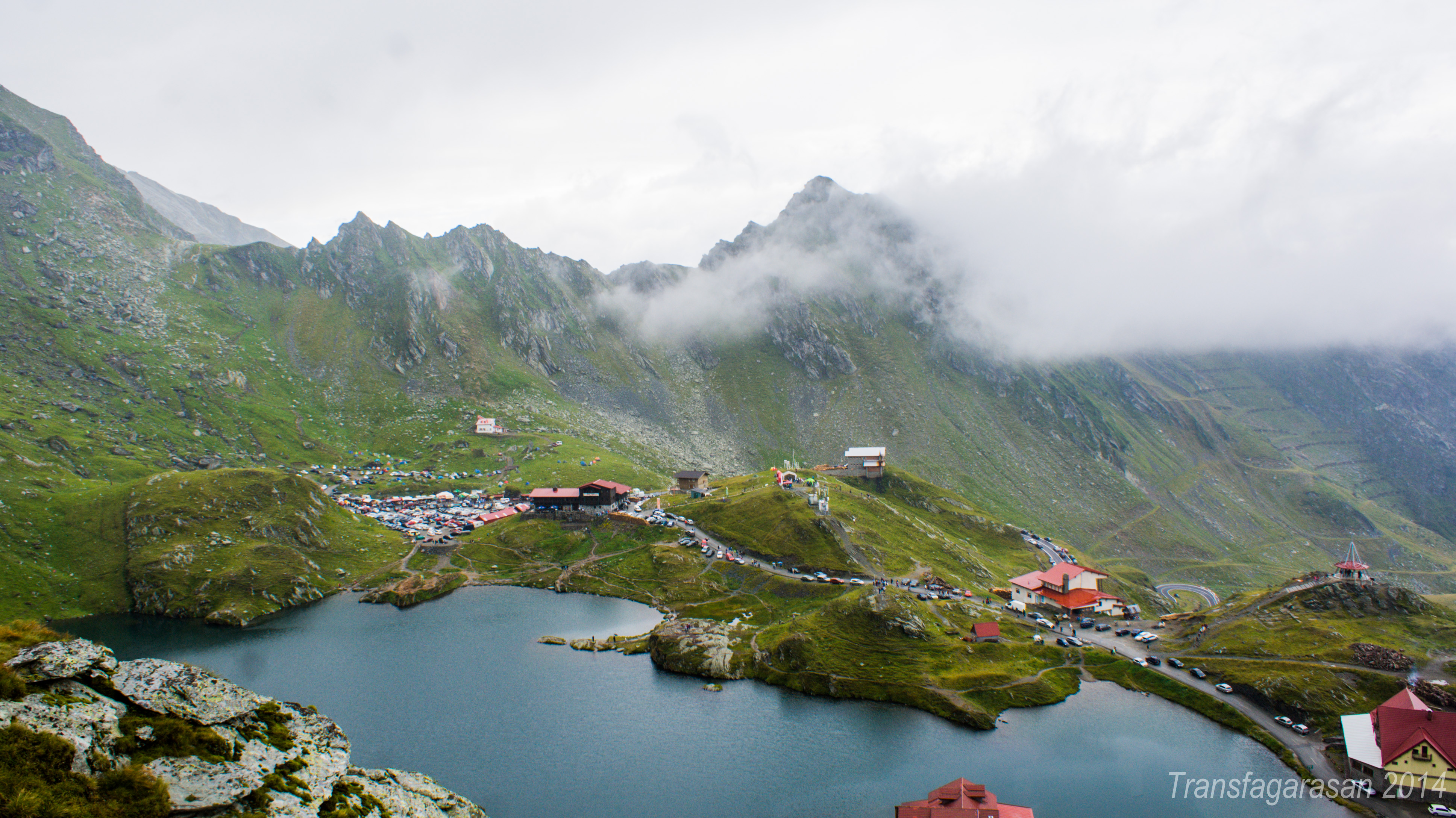
Other than a very important objective for ciclists, Balea Lake is also a easy to access point for hiking close peaks, including the highest peak in Romania – Moldoveanu (2,544 m).
More informations about Transfagarasan here.
 MERAKI MEDIA